AI Automation Scale-Up: Real Examples

What "Service to Product" Actually Means Here
As an AI automation agency — not an autonomous AI agent company, a distinction that matters when you're comparing providers — most of our engagements start the same way: one manual process, done by one team, costing real hours every week. The businesses that get the most value don't stop there. They take the workflow logic we build for that first process and reuse it as a repeatable internal product: a template other teams, other clients, or other departments can plug into without a fresh build each time. Below are real examples of UK and Israel-based businesses that made that jump, with the actual numbers from each engagement.
Example 1: PriceZ — One Pricing Workflow Becomes a Multi-Marketplace Engine
PriceZ came to us with a single problem: six hours a day spent manually comparing competitor prices and updating listings. We built a scheduled workflow automation that pulled pricing data, ran it against margin rules, and pushed approved updates automatically. What started as a fix for one marketplace became the template for all of them — the same rule engine now runs pricing decisions across every channel PriceZ sells on. Read the full PriceZ pricing workflow case study for the complete breakdown: the daily cycle dropped from 6 hours to 12 minutes.
Example 2: DATwise — From One Client Report to a Reusable Reporting Product
DATwise's analysts were manually building the same style of weekly report for every client, differing only in branding and data scope. Rather than automate each client's report individually, we built a single templated pipeline that any analyst can configure per client without engineering involvement. That's the core of scaling service to product: the automation stopped being "a thing we built for client A" and became infrastructure the whole team uses. See the DATwise reporting workflow case study — 8 hours of analyst time saved every single week.
Example 3: Ozzie — Automation That Scaled from Hundreds to 50,000+ Users
This is the clearest example of automation reaching genuine product scale. Ozzie's customer success team manually wrote personalised savings nudges for a few hundred users — a process that fell over completely once the user base hit five figures. We replaced it with a rule-based trigger system that monitors spending behaviour and dispatches the right message at the right moment, at any volume. The MetekuAI human-in-the-loop workflow follows a similar principle: keep a human in the loop for judgment calls, automate everything else so it scales without adding headcount.
What These Examples Have in Common
- They started narrow. Every one of these began as a single-process fix, not a platform build. Nobody set out to build "a product" on day one.
- The logic was designed to be reusable from the start. Parameterised rules and templates, not hard-coded one-off scripts, are what let a workflow expand to new use cases without a rebuild.
- A human stayed in the loop for judgment calls. None of these are "fire and forget" — exceptions and edge cases still route to a person. That's what makes them safe to scale.
- Cost savings compounded, they didn't just repeat. Because the second, third, and fourth use of the workflow required little to no additional engineering, the ROI curve gets steeper over time rather than flat.
How to Tell If Your Own Automation Is Ready to Scale
If your team has already automated one process successfully and is now asking "can we use this for X too?" — that's usually the signal. The mistake most businesses make is building the second use case as a brand-new project instead of extending the first one's architecture. Our process consulting service is specifically built for this moment: an audit of what you've already automated and a concrete plan for turning it into reusable infrastructure rather than a pile of one-off scripts.
How to Scale AI Automation Without Starting Over Each Time
Most UK businesses that try to scale AI automation make the same mistake: they treat every new use case as a brand-new build instead of an extension of what already exists. Scaling AI automation properly means designing the first workflow so its rules, data connections, and exception-handling logic can be reused, not rewritten, for the second, third, and tenth use case. That's the difference between an agency that ships one-off scripts and one that builds infrastructure — and it's why the examples above went from a single process to 50,000+ users without a proportional rise in engineering cost.
In practice, scaling AI automation across a growing business involves three decisions made early: which parts of the logic are genuinely reusable across teams or clients, where a human still needs to approve an edge case, and how the workflow reports back so you can trust it at volume. Get those three right on the first build, and scaling the second use case becomes a configuration exercise rather than a new project.
Quick Answers on Scaling AI Automation
How long does it take to scale an existing automation to a new use case? If the original workflow was built with reusable rules, most extensions take days, not weeks — because the integration and exception-handling logic already exist.
Does scaling AI automation mean replacing our existing tools? No. Every example above scaled inside the client's existing tech stack; scaling is about reusing workflow logic, not swapping platforms.
What's the first sign an automation is ready to scale? When a second team or client asks "can we use this too?" — that's the signal to design for reuse rather than duplicate the build.
Talk to Us About Your Own Service-to-Product Path
If you've got one automation working and you're wondering whether it can do more, book a free consultation and we'll look at what you've built, tell you honestly whether it's reusable as-is, and scope what it would take to extend it.
 AI Workflow Automation
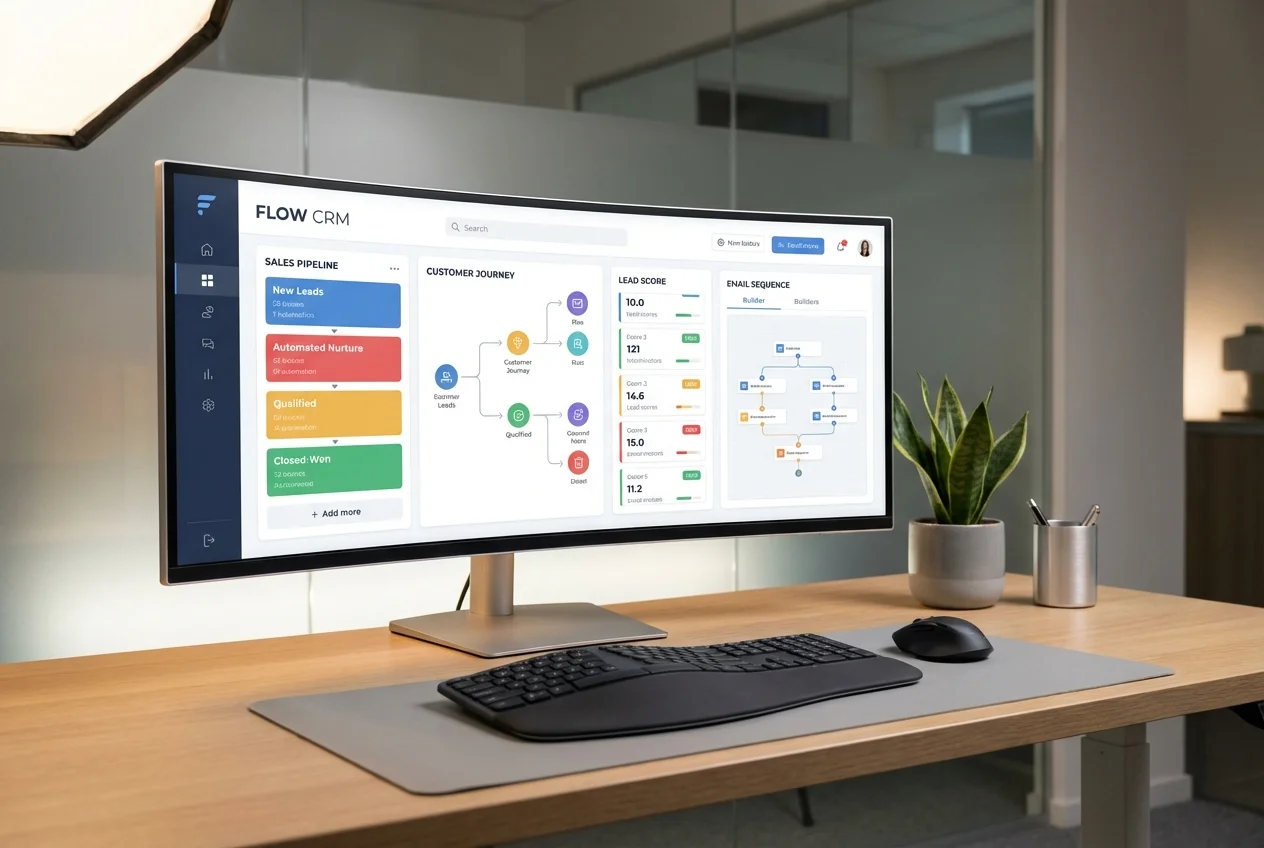 CRM Automation
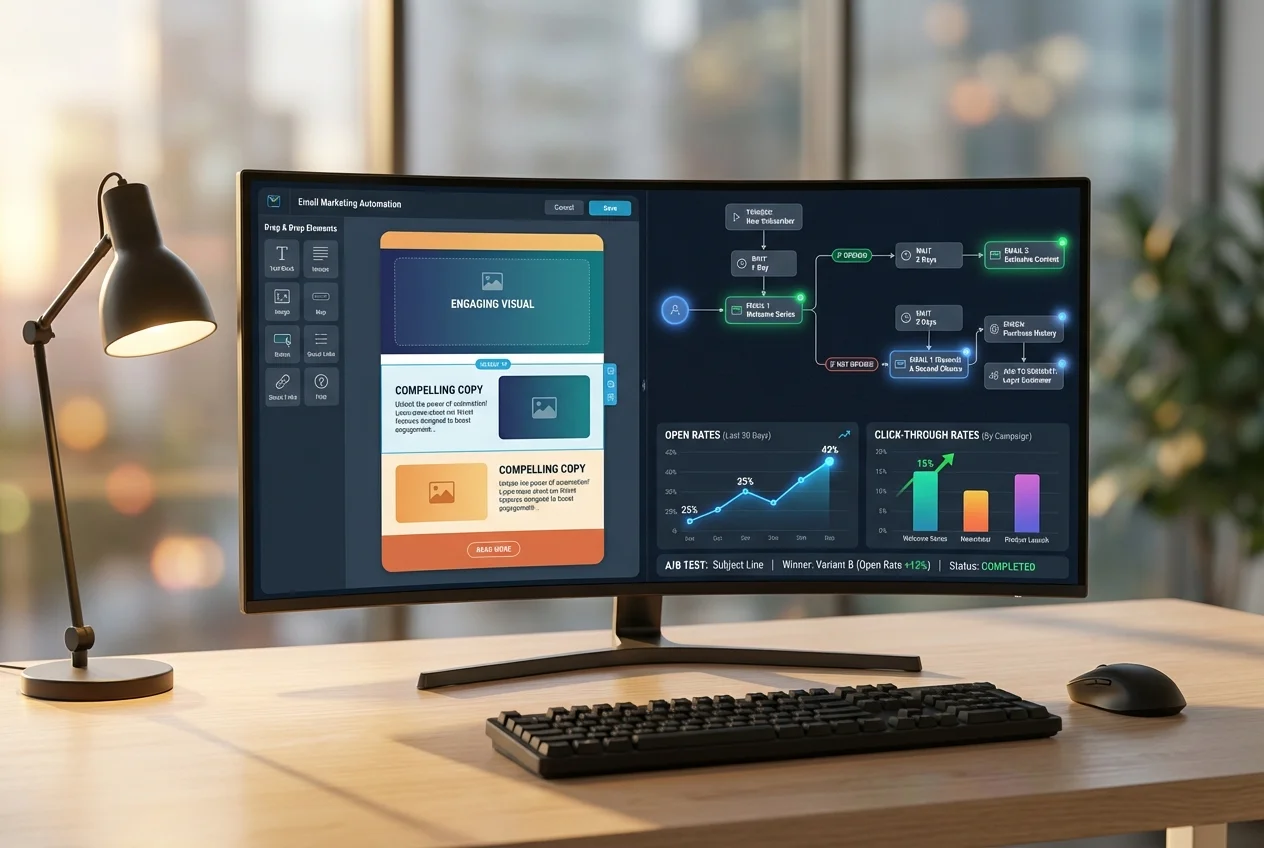 Email & Marketing Automation