How Much Does AI Automation Cost for UK Businesses in 2025?

The Question Every Business Asks First
Before any other conversation, most business owners want to know: what is this going to cost? It's a fair question, and the honest answer is that AI automation pricing varies enormously depending on what you're building, who you're building it with, and what platforms you're using.
In this guide, we'll break down the real cost of AI automation for UK businesses in 2025 — including what drives pricing up, what drives it down, and how to think about return on investment before you commit to anything.
Why Automation Pricing Varies So Much
There's no standard rate card for AI automation because no two projects are the same. A simple automation that sends a Slack notification when a new lead comes in via your website form might take two hours to build. A multi-system CRM automation that routes leads, scores them using AI, triggers personalised email sequences, and generates weekly reports could take six to eight weeks.
The main factors that affect price are:
- Complexity: How many steps does the automation involve? How many conditional branches and edge cases need handling?
- Integrations: How many different systems need to talk to each other? Do they have well-documented APIs or will custom work be needed?
- AI involvement: Are you using large language models for decision-making, document processing, or natural language understanding? This adds sophistication and cost.
- Testing requirements: Business-critical automations need thorough testing across many scenarios. That takes time.
- Ongoing maintenance: Will you need someone to monitor, update, and expand the automation over time?
Typical Price Ranges for UK Businesses in 2025
Entry Level: £1,000 – £3,000
At this level, you can expect well-built single-workflow automations — a lead notification system, a basic email nurture sequence, a data sync between two platforms, or a simple chatbot for FAQ handling. These projects typically take one to three weeks and are ideal for businesses that want to test the water before committing to larger investments.
The ROI at this level can still be significant. If a £1,500 automation saves your team ten hours a week, at even a modest hourly cost of £25 per hour, it pays for itself in six weeks.
Mid-Range: £3,000 – £10,000
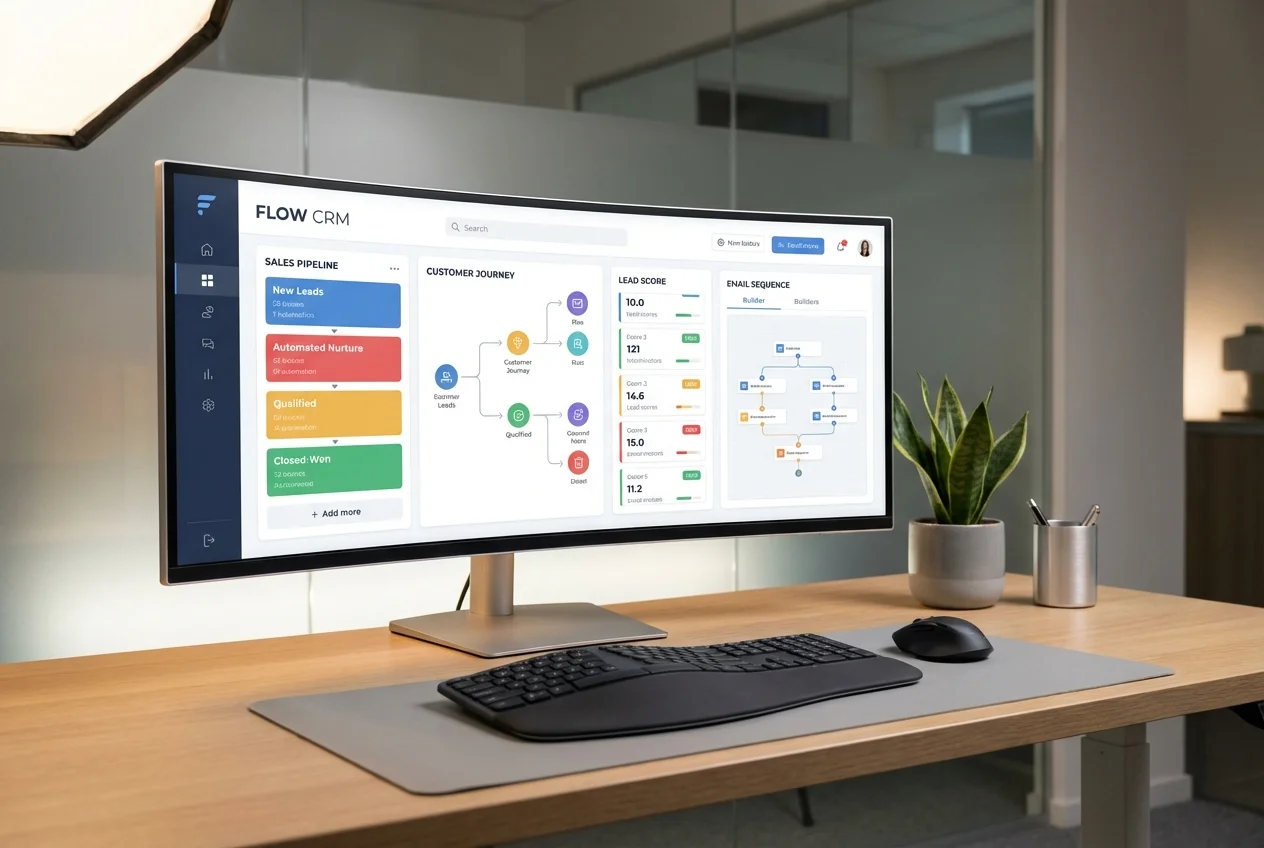
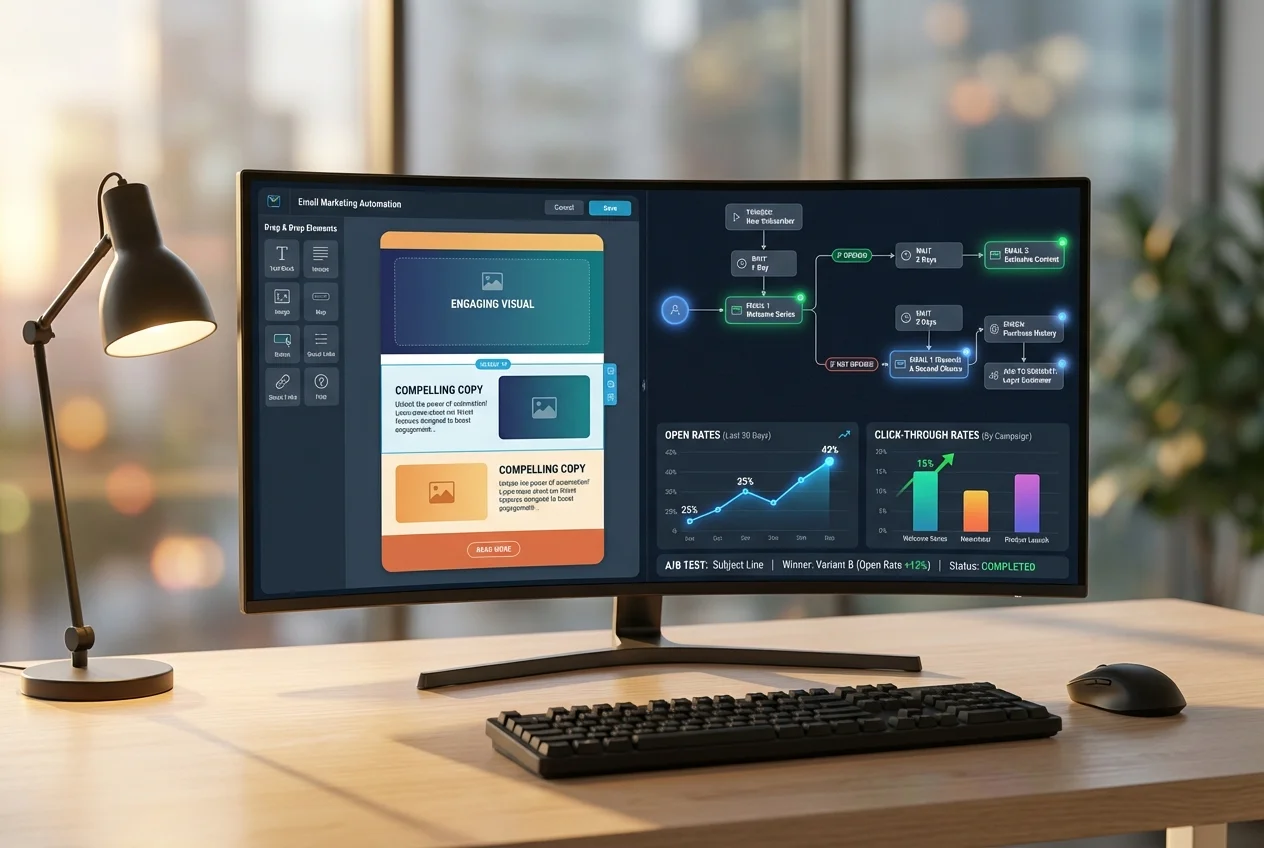
This is where most meaningful automation projects sit. You might be building a full CRM automation suite, an AI-powered lead qualification system, a document processing pipeline, or a multi-channel marketing automation. Projects at this level involve more integrations, more complex logic, and more rigorous testing.
Expect a four to eight week build timeline and a significant reduction in manual work across multiple roles in your business.
Advanced: £10,000 – £30,000+
Enterprise-level automation projects — custom AI models, large-scale data pipeline infrastructure, multi-department workflow overhauls, or bespoke AI agents — fall into this bracket. These engagements typically involve a discovery and audit phase, phased builds, and ongoing support contracts.
At this level, the ROI case needs to be robust before you start. We'd typically help you model the expected savings before agreeing a scope.
Platform Costs: What You Pay Ongoing
Beyond the build cost, most automation stacks involve ongoing platform subscriptions. Here's what to budget for in 2025:
- Make (formerly Integromat): From £9/month for basic use, scaling to £29–£99/month for professional plans with higher operation volumes.
- Zapier: Free tier is very limited. Professional plans start at around £49/month and scale steeply with usage.
- n8n: Open-source self-hosted version is free (but requires hosting). Cloud version from £20/month.
- OpenAI API: Usage-based. Most SME automation use cases cost £20–£150/month depending on volume.
- CRM platforms: HubSpot, Salesforce, and Pipedrive all have their own pricing tiers which you may already be paying.
For most small to mid-sized UK businesses, total platform costs for a meaningful automation stack run between £100 and £400 per month — a fraction of the labour cost it replaces.
How to Calculate ROI Before You Start
The best way to justify an automation investment is to work backwards from the cost of the problem it solves. Ask yourself:
- How many hours per week does your team spend on the process you want to automate?
- What is the fully-loaded hourly cost of those team members (salary, NI, benefits, office space)?
- What is the cost of errors in the current process (lost leads, billing mistakes, compliance issues)?
- What would you do with the time saved — and what is that worth?
If you're spending £3,000 on an automation that saves a team member eight hours a week, and that team member costs £35,000 per year (roughly £17/hour), the automation saves you approximately £7,000 per year in direct labour alone. Add in reduced errors and faster response times, and the real value is often considerably higher.
Red Flags to Watch for When Getting Quotes
Not all automation quotes are created equal. Here are some things to watch for:
- Vague scope: If a quote doesn't describe exactly what will be built, tested, and delivered, you have no way of knowing what you're paying for.
- No discovery process: Any agency that quotes without understanding your actual processes in detail is guessing. That's how you end up with automations that don't match your real workflows.
- Platform bias: Be wary of agencies that immediately recommend a specific platform without asking about your needs. Some agencies earn referral fees or are certified partners — that's not necessarily bad, but it should be disclosed.
- No mention of testing or error handling: Automations break. Any quote that doesn't mention how errors are handled and what happens when something goes wrong is incomplete.
What We Charge at Automation AI Agency
Our projects start from £1,000 for straightforward automations and scale based on complexity and scope. We quote fixed fees after a discovery call, so you know exactly what you're committing to before any work begins. We don't do vague retainers where you're not sure what you're getting — every engagement has clear deliverables and a defined timeline.
If you're not sure whether automation makes financial sense for your particular situation, book a free consultation and we'll help you work through the numbers before you commit to anything.
Final Thoughts
AI automation in 2025 is more accessible than ever — the tools are better, the AI capabilities are stronger, and the cost of entry has come down significantly. But price shouldn't be the only factor in your decision. The quality of the build, the experience of the team, and the clarity of the process matter at least as much as the headline number.
If you go in with a clear idea of what you're trying to solve and a realistic view of the ROI, AI automation is one of the highest-leverage investments a UK business can make right now.
 AI Workflow Automation
 CRM Automation
 Email & Marketing Automation