How to Choose an AI Automation Agency in London

A Market That's Grown Faster Than It's Matured
The demand for AI automation services has exploded over the past two years. Businesses that were once sceptical are now actively looking for partners to help them automate processes across sales, operations, marketing, and customer service. The problem is that the supply of providers has grown even faster than the demand — and quality varies enormously.
Choosing the wrong automation agency can be expensive, disruptive, and demoralising. This guide is designed to help you make a well-informed decision.
Start by Getting Clear on What You Actually Need
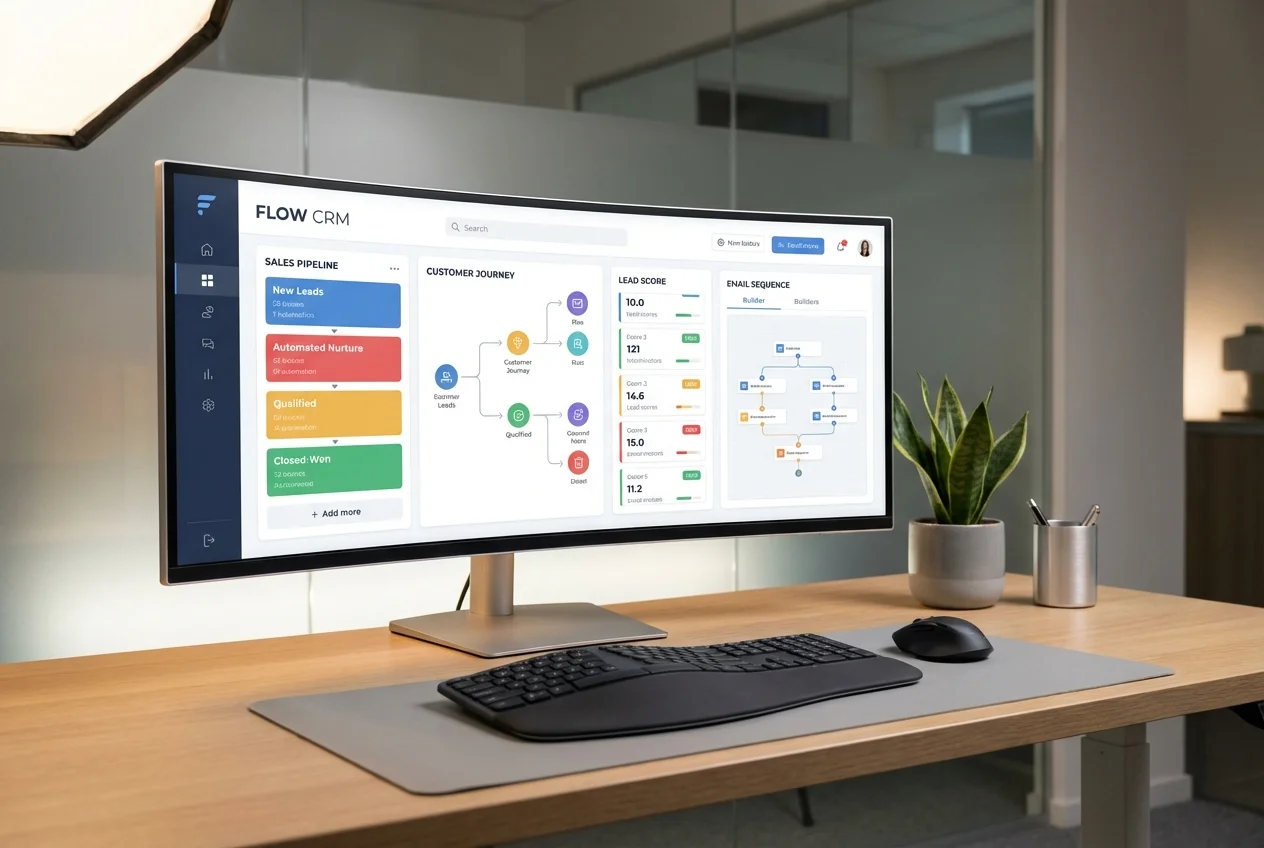
Before you approach any agency, spend time defining the problem you're trying to solve. The more specific you can be, the better. "We want to automate our business" is too vague to evaluate a provider against. "We want to automate our new client onboarding process so that contracts, welcome emails, and initial briefing questionnaires are sent automatically when a deal is marked as won in HubSpot" is a project that can be scoped, quoted, and evaluated properly.
If you genuinely don't know where to start, a good agency will help you with process mapping and prioritisation as part of a discovery engagement. But you should at least have a clear idea of which area of the business you want to start with.
Questions to Ask Any Automation Agency
What platforms do you work with, and are you affiliated with any of them?
Many agencies are certified partners of specific platforms like HubSpot, Salesforce, or Make. There's nothing wrong with this — it can mean deeper expertise — but it can also create bias towards recommending a particular tool whether it's right for you or not. Ask directly about affiliations and how they influence platform recommendations.
Can you show me examples of automations you've built for similar businesses?
Case studies, references, and portfolio examples are the most reliable indicators of competence. Be cautious of agencies that can only share generic examples or refuse to put you in touch with past clients.
How do you handle errors and exceptions in automations?
Every automation breaks eventually. APIs change, data formats shift, edge cases appear that weren't anticipated. A good automation agency builds error handling, alerting, and fallback logic into every workflow from the start. If an agency doesn't mention this proactively, ask specifically.
What does your discovery process look like?
Agencies that quote without a proper discovery phase are guessing. A serious provider will want to understand your actual processes in detail before scoping or pricing anything. If you receive a detailed quote within 24 hours of a ten-minute call, that's a red flag.
Who will actually be doing the work?
Some agencies sell projects and then outsource delivery. This isn't always a problem — a well-managed offshore team can deliver excellent work — but you should know who's building your automation and what oversight exists.
Red Flags to Watch For
- Guaranteed results without having seen your processes: Automation outcomes depend entirely on the quality of your underlying processes. Anyone who guarantees specific time savings before conducting a proper audit is making things up.
- No fixed pricing: Some agencies operate on open-ended time-and-materials arrangements that are very hard to manage. Fixed-fee project pricing is much easier to evaluate and budget for.
- Dismissing complexity: "That should be easy to automate" without any investigation is a warning sign. Experienced automation engineers know that complexity is often hiding where you least expect it.
- No documentation or training offered: If an agency builds your automation and then disappears, you're completely dependent on them for any changes or troubleshooting. Good agencies document what they build and train your team.
Evaluating Proposals
When you receive proposals, look for:
- A clear description of what will be built, tested, and delivered
- A defined timeline with milestones
- Explicit mention of how errors and exceptions will be handled
- What's included and excluded from the scope
- What happens after go-live — ongoing support, maintenance, or handover
Price matters, but don't choose purely on cost. An agency that charges £2,000 and delivers an unreliable automation that breaks every few weeks is much more expensive than one that charges £4,000 and delivers something robust.
Why London-Based Agencies Have Advantages (and Disadvantages)
Working with a London-based agency means easier in-person meetings, shared time zones, familiarity with UK business practices and regulations, and often faster relationship-building. The trade-off is typically higher day rates than offshore or remote-only providers.
For complex, business-critical automations, we think the case for a UK-based agency is strong. For simpler projects where the requirements are well-defined, the geography matters less.
Final Advice
Don't rush the agency selection process. A well-chosen automation partner can save your business thousands of hours per year. Take the time to do proper due diligence, speak to references, and make sure the agency's values and working style are a genuine fit for your organisation.
 AI Workflow Automation
 CRM Automation
 Email & Marketing Automation